412 E Madison St Unit 1112, 11th Floor, Tampa, FL, 33602 Mon-Sun: 7:00 AM - 7:00 PM
(813) 519-6623
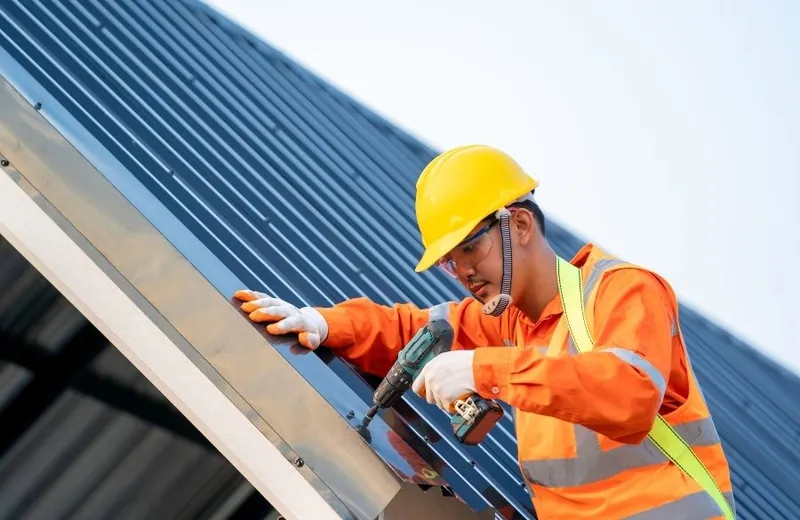
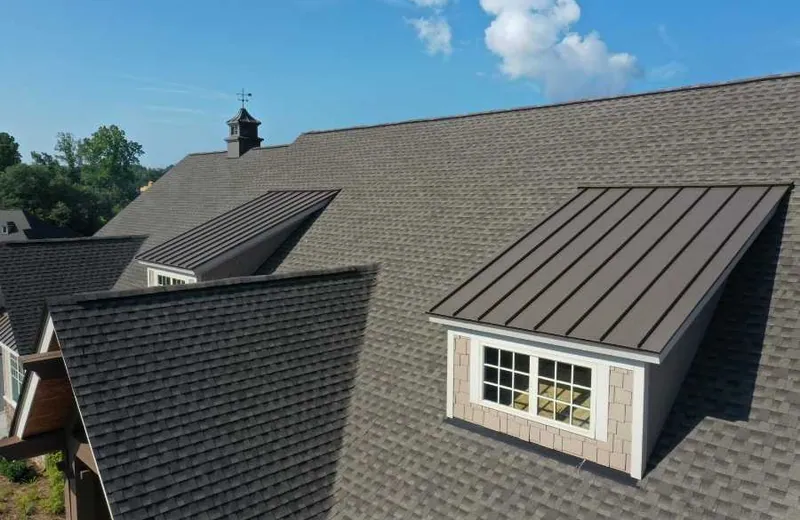
Tampa Roof Masters Roofing Contractor in Tampa, FL project in Tampa, FL (1)
Roofing · Tampa, FL

Tampa Roofing Contractor Building Storm-Ready Roofs to Florida Wind Code

Tampa roofs get hit from every direction. You've got 90-degree summers, afternoon thunderstorms nearly every day from June through September, some of the most frequent lightning in the country, and a hurricane season that runs six months. After Helene and Milton in 2024, plenty of homeowners learned the hard way that a roof can look fine from the driveway and still be failing underneath. Insurers are adding pressure too, with non-renewal letters going out on older roofs. Tampa Roof Masters repairs, replaces and installs roofs designed for this climate, with sealed decks, strong underlayment and wind mitigation paperwork that may help lower your premium.

Bonded roofing company
Fully insured crews
Financing available
Every installation built to Florida wind code
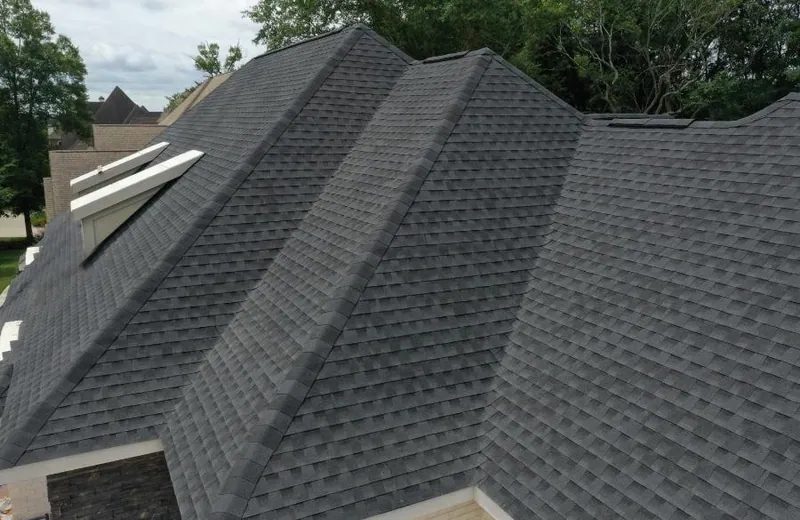
Tampa Roof Masters Roofing Contractor in Tampa, FL project in Tampa, FL (2)
About Tampa Roof Masters

Local crews. Proven results.

We work on everything from 1920s bungalows in Seminole Heights to the HOA-governed tile roofs in Westchase and FishHawk Ranch. Our crews are on roofs every week in Temple Terrace, Carrollwood, Brandon and Riverview, so we know which roof decks hide old plank sheathing, which subdivisions require ARC approval for a new tile profile, and how to plan a tear-off around the 3 p.m. storm. We pull the permits, keep the job site clean, and pick materials that fit your home's style and your budget.

  • Bonded roofing company
  • Fully insured crews
  • Financing available
  • Every installation built to Florida wind code
  • Wind mitigation reports for Tampa homeowners
  • Permit handling included
  • Serving a 20-mile radius around Tampa
20 miService Radius Around Tampa
18Communities Served
100%Installations Built to Florida Wind Code
Every RoofWind Mitigation Report Provided
Local conditions

Why Tampa Homes Need a Roofer Who Knows the Bay Area

A roof in Tampa deals with problems that a roof in Ohio or New Jersey never sees: relentless UV, wet-season downpours, salt air and hurricane-force wind. Add strict state codes, historic districts and a tough insurance market, and choosing the right roofer matters more here than almost anywhere else.

01

Heat, Rain, Lightning and Hurricanes

Tampa gets roughly 46–50 inches of rain a year, and more than half of it falls between June and September, mostly in short, violent afternoon storms that can drop several inches in an hour. Heat indices above 100°F are normal all summer. That soak-and-bake cycle repeats almost daily, wearing out sealants, flashing and underlayment faster than manufacturers' rated lifespans assume. The Tampa Bay area is also one of the most lightning-active regions in the U.S. Hurricane season runs June 1 through November 30, and 2024 showed what it can do: Helene's record surge flooded coastal neighborhoods, and Milton's winds tore roofs apart across the region, including the fabric roof at Tropicana Field. Year-round UV dries out asphalt shingles, and constant humidity feeds the black algae streaks you see on shaded, north-facing slopes under live oaks.

02

A Century of Very Different Roofs

Tampa's housing stock spans more than 100 years. Hyde Park, Tampa Heights, Ybor City and Seminole Heights have early-1900s wood-frame bungalows, some with low-slope porch roofs, built-in gutters or historic metal and clay tile. Town 'n' Country, West Tampa and Temple Terrace filled with 1950s–60s concrete block ranch homes, many with flat Florida-room or carport additions. Carrollwood and Brandon grew in the 1970s–80s, and many of those homes are on their second or third roof with original plank decking. Then came the 1990s–2000s boom in Westchase, Valrico, Bloomingdale, Riverview, Lutz and Apollo Beach: complex hip roofs, lots of valleys, and concrete tile whose underlayment is now 20–30 years old and failing.

03

Codes, Permits, HOAs and Historic Districts

Every re-roof here falls under the Florida Building Code, 8th Edition (2023), with design wind speeds in Hillsborough County of roughly 140–150+ mph depending on location and risk category. The City of Tampa, unincorporated Hillsborough County, Temple Terrace, Oldsmar and Safety Harbor all require permits, usually with an in-progress dry-in inspection and a final. Re-roofs must meet current secondary water barrier and deck re-nailing rules, and homes valued at $300K or more may need hurricane mitigation upgrades. Changing materials in Hyde Park, Seminole Heights, Ybor City, Tampa Heights or West Tampa needs Architectural Review Commission or Barrio Latino Commission approval. HOAs in Westchase, Bloomingdale, FishHawk Ranch and MiraBay control color, tile profile and material. Products need Florida Product Approval or a Miami-Dade NOA.

04

An Insurance-Driven Roofing Market

Hillsborough County has about 1.5 million residents and keeps growing, with many newcomers from the Northeast and Midwest who haven't dealt with Florida's roof rules before. Florida homeowners pay some of the highest premiums in the country, and many carriers won't write or renew policies on shingle roofs older than about 15 years. That means lots of Tampa roofs get replaced on an insurer's deadline, not when they actually fail. A 2023 law stops insurers from refusing coverage just because a roof is under 15 years old, and wind mitigation (OIR-B1-1802) and 4-point inspections can earn discounts. That's why documentation matters as much as shingles.

What we see most

Common Roofing Problems in Tampa and Why They Happen

Most Tampa roof failures come down to a few patterns: wind, water, heat and salt. Knowing the warning signs helps you deal with a small repair now so it doesn't turn into ceiling damage or a rushed replacement in the middle of hurricane season.

Emergency

Hurricane and Wind-Uplift Damage

What it is

High winds get under shingle edges, tiles or metal panels and pry them loose. That breaks the seal strips, pulls fasteners and can expose underlayment or decking. Damage ranges from a few lifted tabs to whole sections torn away, and wind-driven rain follows right behind.

Why it is common in Tampa

Tampa sits in a 140–150+ mph design wind zone, and tropical systems arrive every season. Milton's 2024 winds and the tornadoes it spawned damaged roofs across the region. Even storms that never make landfall here bring strong gusts and squall lines. Older roofs installed before current nailing patterns, especially on 1970s–80s homes with plank decking, don't hold fasteners as well. A lot of uplift damage can't be seen from the ground: seal strips can break without the shingle visibly moving, and the next big storm finishes the job.

Signs you will notice

  • Shingles, tiles or ridge caps in the yard after a storm
  • Creased or lifted shingle tabs
  • Exposed underlayment or bare decking
  • Bent drip edge or loose metal panels
  • New water stains on ceilings after wind-driven rain
  • Granules piled at downspouts after a storm

Tampa-specific patterns

We see the most uplift on exposed hip roofs in Apollo Beach and South Tampa waterfront streets, older shingle roofs in Carrollwood and Brandon, and metal-roofed outbuildings in Dover and Thonotosassa. Damage often surfaces weeks after a storm, during the next heavy rain.

Severity

Emergency. Act within 24 hours to stop further damage.

Typical solution

We tarp or dry in the exposed area right away, document the damage with photos, then repair or replace affected sections using fastening and underlayment that meet current Florida wind code.

Serious

Failed Underlayment Beneath Concrete Tile

What it is

Concrete tile can last 50 years, but the felt underlayment under it often gives out in 20–25. Once that waterproof layer cracks or rots, water that slips past the tile gets straight to the decking. From outside, the roof still looks perfectly fine.

Why it is common in Tampa

Tampa's 1990s–2000s subdivisions in Westchase, Valrico, Bloomingdale, Riverview and Lutz were built with concrete barrel and S-tile, often because the HOA required it. Those roofs are now 20–30 years old. Daily heat cooks the felt, and our heavy wet-season rain tests every weak spot. Because tiles hide the problem, most homeowners don't find out until there's a stain on the ceiling or the drywall goes soft. By that point the decking may be rotted too.

Signs you will notice

  • Ceiling stains with no visible roof damage
  • Musty smell in the attic
  • Daylight or damp spots at the attic sheathing
  • Cracked or slipped tiles
  • Tile roof older than 20 years
  • Leaks only during long, heavy rains

Tampa-specific patterns

Common in HOA neighborhoods like Westchase, FishHawk Ranch, Bloomingdale and MiraBay, where tile was standard during the building boom. Leaks usually show up first in valleys and at lanai tie-ins.

Severity

Serious. Schedule a repair within 1–2 weeks.

Typical solution

We lift and set tile aside, replace the underlayment with a code-compliant secondary water barrier, repair decking, and reinstall or replace tile in an HOA-approved profile.

Moderate

UV Aging and Granule Loss on Asphalt Shingles

What it is

Shingles rely on ceramic granules to block sunlight. When the granules wash off, the asphalt underneath dries out, cracks and curls. Edges get brittle, especially on 3-tab shingles, and the roof starts losing its ability to shed water and resist wind.

Why it is common in Tampa

Tampa's sun is strong all year, and the summer heat keeps roof surfaces well above air temperature for months on end. Asphalt shingles here often wear out before their rated life. A shingle sold as a 25-year product might realistically give 15–18 years in Tampa. That timeline lines up badly with insurers who won't renew shingle roofs much past 15 years. So granule loss isn't just a wear issue here. It can affect whether you can keep your homeowners policy.

Signs you will notice

  • Bald or dark patches on shingles
  • Granules collecting in gutters
  • Curled, cupped or cracked edges
  • Brittle tabs that snap when lifted
  • Shingle roof 15 or more years old
  • Insurance non-renewal or roof-age notice

Tampa-specific patterns

South- and west-facing slopes age fastest. We see it constantly on second-generation roofs in Carrollwood, Brandon and Temple Terrace, and on 3-tab roofs on investor rentals in Town 'n' Country.

Severity

Moderate. Address within the next few months.

Typical solution

If the roof is close to end of life, we'll recommend replacing it with high-wind architectural shingles or metal. If it isn't, we'll make targeted repairs and give you an honest estimate of how many years it has left.

Serious

Flashing, Pipe Boot and Penetration Leaks

What it is

Anywhere something pokes through the roof, like vents, skylights, chimneys or plumbing stacks, it's sealed with metal flashing or a rubber boot. When the sealant cracks or the rubber splits, water follows the penetration straight down into the attic or living space.

Why it is common in Tampa

Tampa's daily summer cycle is hard on these seals. Roofs bake at midday, then cold rain hits them in the afternoon, and that expansion and contraction repeats for months. Rubber pipe boots crack from UV, often years before the shingles fail. Skylights and chimneys on older South Tampa and Seminole Heights homes often have original or patched flashing. Lightning strikes and wind-driven rain push water sideways under poorly lapped flashing too.

Signs you will notice

  • Stains around vents, skylights or the chimney
  • Cracked or split rubber pipe boots
  • Rusted or lifted step flashing
  • Dripping inside the skylight well
  • Caulk used as the only seal
  • Leaks during wind-driven rain only

Tampa-specific patterns

Skylight and chimney leaks are common in historic Hyde Park and Seminole Heights homes. Failed pipe boots show up all over the 1990s subdivisions in Riverview and Valrico.

Severity

Serious. Schedule a repair within 1–2 weeks.

Typical solution

We find the real entry point, replace boots and flashing with properly lapped metal (chimney, step, drip edge or metal-roof flashing), and seal it to last instead of smearing on more caulk.

Serious

Ponding Water on Flat and Low-Slope Roofs

What it is

Ponding is water that sits on a flat or low-slope roof for more than 48 hours after rain. Standing water breaks down membranes, finds seams, adds weight to the structure and eventually leaks through to the room below.

Why it is common in Tampa

Tampa's flat terrain and cloudbursts dumping several inches an hour overwhelm small drains and scuppers. Thousands of 1950s–60s CBS homes have flat Florida-room, carport or porch additions that were never pitched well. Where a low-slope addition meets the main roof at a lanai or porch tie-in, you get one of the most common leak points in the county. In Ybor City, older brick commercial buildings with flat roofs face the same problem at a larger scale.

Signs you will notice

  • Puddles still standing two days after rain
  • Blistered or bubbled membrane
  • Cracked or split seams
  • Algae rings or dirt lines on the roof
  • Leaks at the Florida room or lanai ceiling
  • Sagging spots on the roof surface

Tampa-specific patterns

Most common on Florida-room and carport additions in Town 'n' Country, West Tampa and Temple Terrace, porch roofs on Seminole Heights bungalows, and flat commercial roofs in Ybor City.

Severity

Serious. Schedule a repair within 1–2 weeks.

Typical solution

We repair or replace the membrane with TPO, EPDM or modified bitumen, add tapered insulation or crickets to improve drainage, and rebuild the tie-in so it stays watertight.

Minor

Algae Streaking, Mildew and Moss

What it is

The black streaks on so many Tampa roofs come from Gloeocapsa magma, an airborne algae that feeds on limestone filler in shingles. Mildew and moss follow in damp, shaded spots, holding moisture against the roof.

Why it is common in Tampa

Tampa's constant humidity and warm nights make it an ideal place for algae to grow. North-facing slopes and roofs shaded by live oaks stay damp longest after the afternoon storm. Algae alone won't sink a roof, but moss lifts shingle edges, and in HOA communities the streaks can trigger violation notices. Pressure-washing is a common mistake here because it strips granules and shortens roof life.

Signs you will notice

  • Black or dark streaks running down slopes
  • Green moss on shaded areas
  • Discoloration worst on north-facing sides
  • HOA notice about roof appearance
  • Debris and leaves holding moisture

Tampa-specific patterns

Heavy under the live oak canopy in Seminole Heights, Hyde Park and Temple Terrace, and a frequent HOA issue in Westchase and Bloomingdale.

Severity

Minor. Preventable with routine maintenance.

Typical solution

We use low-pressure soft cleaning that's safe for your roof, then add zinc or copper strips. At replacement time we'll recommend algae-resistant shingles.

Moderate

Salt-Air Corrosion of Fasteners and Metal

What it is

Salt carried on bay breezes corrodes standard galvanized nails, drip edge, flashing and metal panels. Corroded fasteners lose holding power, and rusted flashing opens gaps that let water in.

Why it is common in Tampa

Homes near Tampa Bay, Old Tampa Bay, Hillsborough Bay and the Alafia River breathe salt air every day. Contractors who use ordinary fasteners on waterfront homes create a roof that looks fine for a few years and then starts losing its grip on the deck. Helene's 2024 surge also left salt residue on coastal properties, speeding up the corrosion. In a high-wind zone, weakened fasteners make every hurricane riskier.

Signs you will notice

  • Rust streaks below nails or flashing
  • Pitted or flaking drip edge
  • Rust on metal roof screws
  • Loose or backed-out fasteners
  • White corrosion on aluminum trim

Tampa-specific patterns

Apollo Beach, Gibsonton, Davis Islands, South Tampa, Town 'n' Country, Oldsmar and Safety Harbor, especially homes within a few blocks of open water.

Severity

Moderate. Address within the next few months.

Typical solution

We replace corroded components with stainless or coated fasteners and corrosion-resistant flashing that hold up in coastal conditions and meet code.

Services

Roofing Services for Tampa Homes and Businesses

From a single cracked pipe boot to a full tile-to-metal conversion, we handle residential and commercial roofing across Hillsborough County and upper Pinellas. Every recommendation starts with what your roof actually needs, then factors in your insurer, your HOA and your budget.

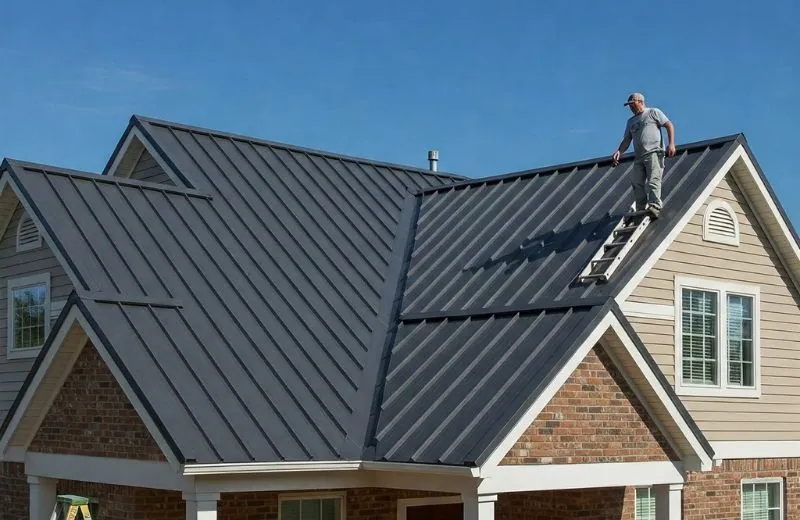
Tampa Roof Masters Roofing Contractor in Tampa, FL project in Tampa, FL (3)
Specialty

Emergency Roof Repair & Tarping

What we do

When a storm tears off shingles or a leak opens up during the wet season, we come out to tarp, dry in and stop the water before it damages ceilings, insulation and flooring.

Methods & approach

Properly secured roof tarps installed without punching new holes through good roofing, temporary patching, photo documentation of damage, and a follow-up plan for permanent repair.

Tampa application

After Helene and Milton, lots of Tampa homes sat under tarps for months. We secure tarps to hold up through daily afternoon storms and gusty fronts, and we schedule permanent repairs as fast as materials and permits allow.

Best for

Storm damage, fallen limbs, active leaks during the rainy season, and any homeowner who needs the roof watertight today.

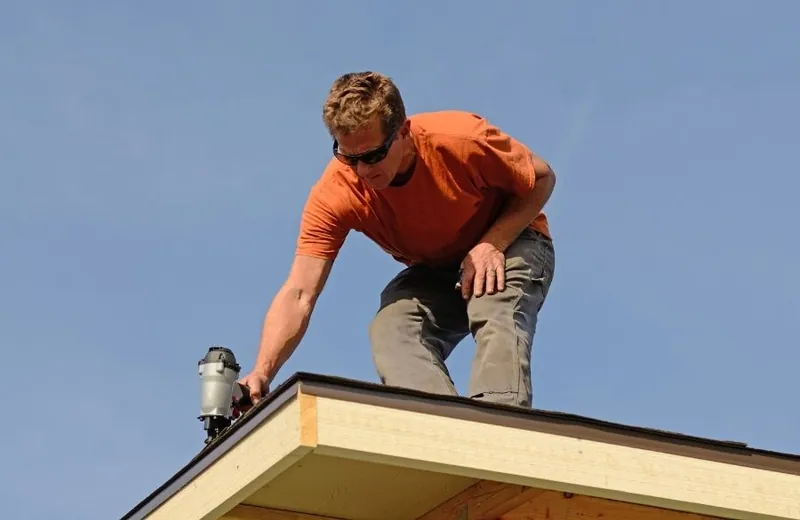
Tampa Roof Masters Roofing Contractor in Tampa, FL project in Tampa, FL (4)

Roof Repair, Leak Detection & Flashing

What we do

We track leaks to their real source and fix them: shingle repair, patching, damage repair, skylight and chimney leaks, and chimney, drip edge, step and metal-roof flashing.

Methods & approach

Attic and surface inspection, moisture tracing, and replacing failed boots and flashing with properly lapped metal rather than relying on caulk alone.

Tampa application

Wind-driven summer rain finds every weak flashing joint. We see a lot of skylight and chimney leaks on older Hyde Park and Seminole Heights homes, and cracked pipe boots in 1990s Brandon and Riverview subdivisions.

Best for

Roofs with plenty of life left that have a specific leak, storm damage or worn flashing.

Tampa Roof Masters Roofing Contractor in Tampa, FL project in Tampa, FL (5)

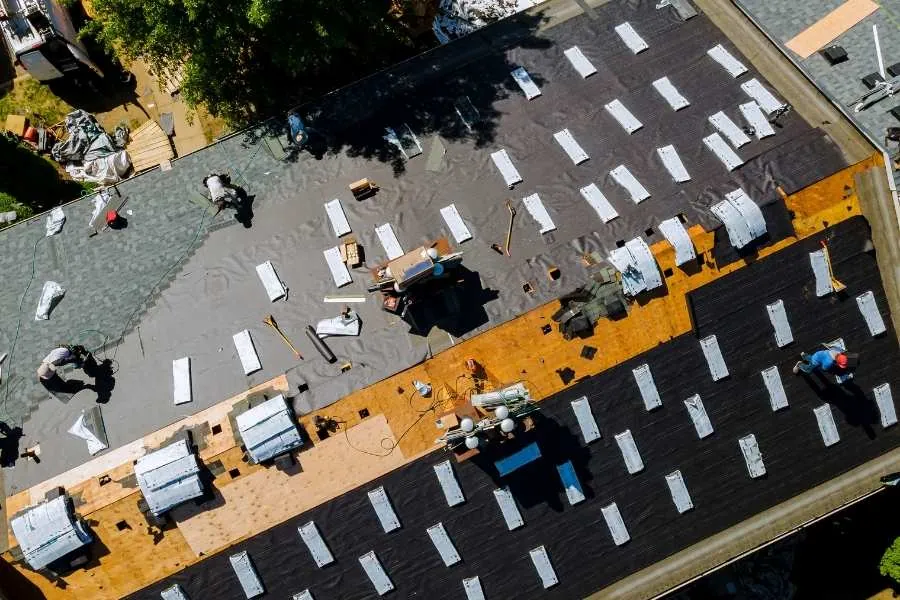
Roof Replacement & New Roof Installation

What we do

We tear off down to the deck, repair or re-nail the sheathing, install a sealed-deck secondary water barrier, and put on a new roof built to Florida wind code.

Methods & approach

Permit handling, same-day dry-in, deck re-nailing to current code, upgraded underlayment, and wind mitigation documentation when the job is done. Where we can, we schedule around the afternoon storm window.

Tampa application

Many Tampa replacements are driven by insurer roof-age deadlines. Booking during the drier months, roughly November through May, means fewer weather delays. We also handle new installations in growing areas like Riverview and Valrico.

Best for

Shingle roofs 15+ years old, tile roofs with failing underlayment, and homeowners facing insurance non-renewal.

Tampa Roof Masters Roofing Contractor in Tampa, FL project in Tampa, FL (6)

Asphalt Shingle Roofing

What we do

We install architectural shingles, 3-tab shingles and high-wind shingle systems, and repair shingle roofs of any age.

Methods & approach

High-wind nailing patterns, starter strips and hip/ridge rated for uplift, algae-resistant shingle options, and ventilation balanced to cut attic heat.

Tampa application

Architectural shingles hold up far better than 3-tab against Tampa's UV and wind. They're the go-to for budget-minded families in Brandon, Town 'n' Country and Bloomingdale, and for HOAs that require dimensional shingles.

Best for

Homeowners who want solid wind performance at a lower upfront cost than tile or metal.

Tampa Roof Masters Roofing Contractor in Tampa, FL project in Tampa, FL (7)
Specialty

Metal Roofing: Standing Seam, Steel & Corrugated

What we do

We install and repair standing seam, 5V-crimp, corrugated and steel roofs on homes, barns and outbuildings, including the specialty flashing that metal roofs need.

Methods & approach

Concealed-fastener standing seam panels, approved clips and fasteners, high-temperature underlayment, and coated or stainless hardware for coastal homes.

Tampa application

Metal is one of the strongest choices for hurricane resistance and it reflects Tampa's heat. It's popular for waterfront homes in Apollo Beach and South Tampa and for rural properties and ag buildings in Dover, Seffner and Mango.

Best for

Homeowners who want a long-term, hurricane-resistant roof that sheds heat and rain.

Tampa Roof Masters Roofing Contractor in Tampa, FL project in Tampa, FL (8)

Tile Roofing

What we do

We install, repair and re-underlay concrete and clay tile roofs, including barrel and S-tile profiles.

Methods & approach

We remove and stack existing tile, install new underlayment, repair decking, set tile with approved foam or mechanical attachment, and match HOA profile and color requirements.

Tampa application

Tile dominates Westchase, FishHawk Ranch, MiraBay and Lutz subdivisions. Many of those roofs need new underlayment now, and in historic districts we also help homeowners work through Architectural Review Commission requirements.

Best for

HOA communities, Mediterranean-style homes and owners who want a long-life roof with a classic Florida look.

Tampa Roof Masters Roofing Contractor in Tampa, FL project in Tampa, FL (9)

Flat Roofing: TPO, EPDM & Flat Roof Replacement

What we do

We repair and replace flat and low-slope roofs with TPO, EPDM rubber and modified bitumen systems.

Methods & approach

Heat-welded TPO seams, fully adhered EPDM, tapered insulation to fix ponding, and rebuilt edges and tie-ins.

Tampa application

Built for Tampa's Florida rooms, carports and porch roofs on 1950s–60s CBS homes, where low-slope sections meet the main roof and leak during heavy rain.

Best for

Additions, lanais, carports, and flat-roof residential or small commercial buildings.

Tampa Roof Masters Roofing Contractor in Tampa, FL project in Tampa, FL (10)

Commercial Roofing & Commercial Roof Repair

What we do

We repair, coat and replace roofs on retail, office, warehouse and mixed-use buildings.

Methods & approach

Core-cut inspections, membrane repair or replacement, drainage correction, and scheduling built around your business hours.

Tampa application

Ybor City brick buildings, strip centers along major corridors, and warehouses in east Hillsborough all deal with ponding and UV breakdown on large flat roofs.

Best for

Property managers and owners who need minimal downtime and code-compliant results.

Tampa Roof Masters Roofing Contractor in Tampa, FL project in Tampa, FL (11)

Roof Inspection & Maintenance

What we do

We inspect roofs before and after storm season, after storms, and before you buy or sell, then handle routine maintenance.

Methods & approach

Surface and attic checks, photo reports, sealant and fastener touch-ups, debris and valley clearing, and wind mitigation reports for insurance.

Tampa application

A spring check before June 1 and a post-storm check in fall catch Tampa's most common failures early, before the next storm turns them into leaks.

Best for

Homeowners, investors with rental properties, and buyers who need a clear picture of a roof's condition.

Tampa Roof Masters Roofing Contractor in Tampa, FL project in Tampa, FL (12)

Roof Restoration, Coating & Waterproofing

What we do

We extend the life of sound roofs with reflective coatings, waterproofing and restoration work.

Methods & approach

Cleaning, seam and flashing repair, then elastomeric or silicone coatings rated for ponding water and UV.

Tampa application

Reflective coatings cut roof surface temperatures in Tampa's summer heat, and they're especially effective on flat commercial roofs and metal outbuildings.

Best for

Structurally sound flat or metal roofs that need more years without a full tear-off.

Tampa Roof Masters Roofing Contractor in Tampa, FL project in Tampa, FL (13)

Soffit, Fascia, Ventilation & Gutter Guards

What we do

We replace rotted soffit and fascia, install roof ventilation and add gutter guards.

Methods & approach

Aluminum or composite fascia and vented soffit, ridge and off-ridge vents sized to code, and guards that stand up to oak leaves and pine needles.

Tampa application

Humidity rots wood fascia fast here, and good ventilation lowers Tampa attic temperatures that can run well past 130°F.

Best for

Homes with rot, hot attics, clogged gutters or heavy tree cover.

Tampa Roof Masters Roofing Contractor in Tampa, FL project in Tampa, FL (14)

Specialty Roofing: Slate, Cedar Shake & Copper

What we do

We install slate, cedar shake and copper roofing and accents on custom and historic homes.

Methods & approach

Correct attachment and underlayment for each material, hand-formed copper flashing and details, and products with Florida approval.

Tampa application

These materials suit select South Tampa, Davis Islands and Hyde Park homes, where they may also need historic-district approval.

Best for

Custom, historic and luxury homes where looks and longevity come first.

How it works

How Our Tampa Roofing Process Works

From your first call to the final permit inspection, here's what to expect. We plan around Tampa weather, local permit offices and your HOA, and we keep you informed at every step.

  1. 1
    Step 1

    Inspection and Damage Assessment

    Usually within a few days of your call. Active leaks get priority.

    What happens

    • We inspect the surface, flashing, penetrations and attic
    • Photos of every problem area
    • Checks for decking rot, plank sheathing and roof-to-wall connections
    • Notes on wind mitigation features already on the house

    Tampa considerations

    • After a storm, we look specifically for broken seal strips and uplift damage you can't see from the ground.
  2. 2
    Step 2

    Clear Proposal and Options

    Typically within 1–3 days of the inspection

    What happens

    • Written repair or replacement options
    • Material choices matched to your home, HOA and budget
    • Line items for possible hidden deck repairs
    • Financing options explained

    Tampa considerations

    • We'll note any HOA or historic-commission approvals your project needs before work can start.
  3. 3
    Step 3

    Permits and Approvals

    Varies by jurisdiction, often 1–3 weeks

    What happens

    • We submit permits to the City of Tampa, Hillsborough County, Temple Terrace, Oldsmar or Safety Harbor
    • We provide product approval and NOA documentation
    • We support your HOA ARC submittal with specs and samples
    • Material ordering and delivery scheduling

    Tampa considerations

    • Tile color and profile approvals in Westchase, FishHawk Ranch or MiraBay can add time, so we start the paperwork early.
  4. 4
    Step 4

    Installation and Same-Day Dry-In

    Most homes take 1–3 days. Tile and metal can take longer.

    What happens

    • Landscaping and property protected
    • Tear-off planned so we can dry in before the afternoon storms
    • Decking repaired and re-nailed, sealed-deck underlayment installed
    • New roof, flashing and ventilation installed
    • Mid-job dry-in inspection where the permit requires one

    Tampa considerations

    • In summer, crews start early so no section is left open when the 3 p.m. thunderstorms roll in.
  5. 5
    Step 5

    Final Inspection, Cleanup and Documentation

    Usually within a week of completion

    What happens

    • Magnetic nail sweep and full debris haul-off
    • Final permit inspection scheduled and passed
    • Wind mitigation report provided
    • Walkthrough with photos of the finished work

    Tampa considerations

    • Your wind mitigation report can be submitted to your insurer for possible premium discounts.
The difference

Why Tampa Homeowners Choose Tampa Roof Masters

01

We Know Tampa Roofs, Block by Block

A 1925 bungalow in Seminole Heights and a 2004 tile roof in Westchase have almost nothing in common, and we treat them differently. We know which neighborhoods tend to have 1x plank decking, where Florida-room tie-ins usually leak, and which HOAs require specific tile profiles. We also know how fast salt air eats fasteners on Davis Islands compared with inland Valrico. That local knowledge means fewer surprises halfway through the job and recommendations that fit how your house was actually built.

02

Bonded and Insured, Not Here Today and Gone Tomorrow

After Helene and Milton, out-of-state storm chasers flooded Tampa Bay. Plenty took deposits and disappeared or left behind work that failed inspection. Tampa Roof Masters is a bonded and insured local company, so you're protected if something goes wrong on your property. Florida law requires roofers to hold a state-certified license through the DBPR. Ask any roofer you're considering for a license number, including us, and look it up before you sign.

03

Every Roof Built to Florida Wind Code

Each roof we install meets Florida Building Code wind requirements, with sealed decks, strong underlayment and fastening designed for Hillsborough County's 140–150+ mph design wind speeds. We re-nail decks to current code and use products with Florida Product Approval or a Miami-Dade NOA. In a hurricane, those details hidden under the shingles or tile are what keep the roof on the house.

04

Wind Mitigation Reports That Can Lower Your Premium

Florida insurance is expensive, and roof features carry real weight with carriers. We provide wind mitigation reports to Tampa homeowners documenting the roof deck attachment, secondary water barrier and roof covering we installed. Your insurer decides what discounts apply. We don't interpret policies or promise claim results, since Florida law limits that. But clear documentation gives you the best footing to request every credit you qualify for.

05

Permits and HOA Paperwork Handled

Tampa-area projects can involve the City of Tampa, Hillsborough County, Temple Terrace or Pinellas permit offices, plus HOA architectural committees and historic commissions. We pull the permits, coordinate inspections and give your HOA the specs and product approvals it asks for. You won't have to stand in a permit line or decode an ARC form on your own.

06

Fast Help When Leaks Can't Wait

In the wet season, a small leak can soak insulation and drywall in a single afternoon. We offer emergency roof repair and tarping to stop the water fast, then follow up with a permanent fix. Our crews time tear-offs and dry-ins around Tampa's daily storm pattern so your home is never left exposed overnight or during a downpour.

07

Honest Options and Financing That Fit Your Budget

Not every roof needs replacing. If a repair will safely get you more years, we'll tell you. When replacement makes sense, we explain the trade-offs between architectural shingles, tile and standing seam metal in plain language, and we flag possible hidden costs like rotted decking up front. Financing is available, so insurance deadlines or storm damage don't force you into the cheapest option.

Service area

Roofing Service Areas Around Tampa Bay

We serve homeowners and businesses within about 20 miles of Tampa, from historic city neighborhoods to fast-growing South Shore subdivisions and rural east Hillsborough. Each area has its own roof types, permit office and weather exposure, and we plan for all of it.

Tampa & Northwest / Upper Bay

  • TampaHistoric bungalows in Hyde Park and Seminole Heights, South Tampa waterfront homes, flat roofs in Ybor City
  • Town 'n' Country1950s–60s CBS ranch homes with flat additions and bay-side salt exposure
  • Carrollwood1970s–80s homes on their second or third roof, often with older decking
  • WestchaseHOA-governed tile and architectural shingle roofs now 20–30 years old
  • OldsmarOld Tampa Bay neighborhoods that need corrosion-resistant hardware
  • Safety HarborPinellas permitting, waterfront homes and many retirees

North & East Hillsborough

  • Temple TerraceMid-century CBS homes under heavy oak canopy
  • LutzUpscale subdivisions in sinkhole-prone karst country
  • ThonotosassaRural homes, metal roofs and agricultural buildings
  • SeffnerOlder ranch homes and manufactured housing
  • MangoValue-focused homeowners and practical metal re-roofs
  • DoverFarm properties, barns and 5V-crimp metal roofing

Brandon & South Shore

  • BrandonLarge mix of 1980s–2000s shingle and tile homes
  • ValricoMaster-planned communities, including FishHawk Ranch HOA standards
  • BloomingdaleStrict HOA color and material rules
  • RiverviewFast-growing area with lots of new construction and maturing 2000s roofs
  • GibsontonAlafia River and bay salt exposure, value-driven owners
  • Apollo BeachWaterfront and MiraBay homes that need coastal-grade materials

Coverage: We serve a 20-mile radius around Tampa, covering Hillsborough County and nearby upper Pinellas cities. Not sure if you're in range? Contact us and we'll confirm.

Not sure if we serve your area? Call (813) 519-6623 and we will tell you right away.

Pricing

How Much Does a Roof Cost in Tampa?

Roofing prices in Tampa depend on more than square footage. Material choice, roof complexity, hidden deck damage, code upgrades and permits all affect the final number. Here are the main cost drivers and realistic ranges for common projects in the local market.

What affects the price

  1. 1. Roofing Material Primary Factor factor

    Material is the biggest single cost variable. Architectural shingles cost the least to install. Concrete tile costs significantly more because of the weight, labor and underlayment involved. Standing seam metal usually lands at or above tile, but it offers excellent wind resistance and heat reflection. Specialty materials like slate, copper and cedar shake are premium options. Your HOA may narrow your choices, and your insurer may view some materials more favorably than others.

  2. 2. Roof Size, Pitch and Complexity Primary Factor factor

    Roofers price by the square (100 sq ft). A simple gable roof on a Town 'n' Country ranch costs far less per square than a complex hip roof in Westchase with eight valleys, multiple pitches and a lanai tie-in. Steep pitches need extra safety equipment and slow crews down. Every valley, skylight, chimney and wall intersection adds flashing labor and materials.

  3. 3. Decking Condition and Hidden Damage Major Factor factor

    You can't see the decking until the old roof comes off. Older Tampa homes may have rotted plywood, 1x plank sheathing or long-term water damage from failed tile underlayment. Replacement plywood is usually priced per sheet, and we list that pricing in your proposal so there are no surprises. Homes from the 1950s–80s are most likely to need deck work.

  4. 4. Code Upgrades and Permits Major Factor factor

    Florida re-roofs must meet current secondary water barrier and deck re-nailing rules, and homes valued at $300K or more may need hurricane mitigation retrofits like roof-to-wall connection upgrades. Permit fees vary by jurisdiction. Coastal homes need stainless or coated fasteners, which cost more than standard hardware.

  5. 5. Timing and Demand Secondary Factor factor

    After major storms, material shortages and crew demand push timelines out and can raise prices. Scheduling a planned replacement during the drier months, roughly November through May, usually means better availability and fewer weather delays than a mid-hurricane-season rush.

Typical Tampa projects

Leak repair or pipe boot and flashing fix

Single-story home, one or two penetrations, minor shingle replacement

$350 – $1,500

Architectural shingle replacement

Approx. 2,000 sq ft home (about 25 squares) in Brandon or Carrollwood, tear-off, sealed deck, new underlayment

$12,000 – $22,000

Concrete tile roof replacement or re-underlayment

Approx. 2,500 sq ft HOA home in Westchase or Valrico, new underlayment, tile reinstalled or replaced

$25,000 – $48,000

Standing seam metal roof

Approx. 2,000 sq ft home, waterfront or inland, coated or stainless fasteners

$28,000 – $52,000

Financing available. Financing is available, so you can replace a roof on your insurer's timeline without draining your savings. Ask about options when we deliver your proposal.

Investment perspective. A new wind-code roof can lead to wind mitigation discounts, keep your insurance in force and help resale value. Over the life of the roof, those savings can offset a meaningful part of the upfront cost.

Schedule Free Inspection
Questions

Tampa Roofing FAQs

How much does a new roof cost in Tampa?

For a typical 2,000 sq ft Tampa home, an architectural shingle replacement usually runs about $12,000–$22,000. Concrete tile often costs $25,000–$48,000, and standing seam metal generally falls between $28,000 and $52,000. The final price depends on roof complexity, pitch, how much decking needs replacing, and code upgrades like deck re-nailing or roof-to-wall connections. Coastal homes also need corrosion-resistant fasteners. We give you a written, itemized proposal after inspecting the roof, including per-sheet pricing for any hidden deck repairs, so you know where your money goes. Financing is available.

How long does a roof replacement take?

Most shingle replacements on Tampa homes take one to three days on the roof. Tile and metal roofs often take longer because of the extra labor. The bigger variable is everything before installation: permits typically take one to three weeks depending on the jurisdiction, and HOA approvals in places like Westchase or FishHawk Ranch can add time. In summer, crews start early and dry in each section the same day so nothing is left open when afternoon storms hit. After the work is done, the final permit inspection is usually completed within about a week.

Do I need a permit to replace my roof in Tampa?

Yes. Re-roofing requires a permit in the City of Tampa, unincorporated Hillsborough County, Temple Terrace, Oldsmar and Safety Harbor. Inspections usually include an in-progress check of the dry-in or underlayment and a final inspection. If you live in a historic district like Hyde Park, Seminole Heights, Ybor City, Tampa Heights or West Tampa, changing roofing materials also needs Architectural Review Commission or Barrio Latino Commission approval. Most master-planned communities require HOA approval too. We handle permits and provide the documentation your HOA needs.

My insurance company says my roof is too old. What should I do?

Act quickly but don't panic. Many Florida insurers won't renew shingle roofs older than about 15 years, though a 2023 law bars them from refusing coverage solely because a roof is under 15 years old. Start with a professional inspection. Sometimes a 4-point inspection shows the roof still has life left. If replacement makes sense, we can schedule it around your renewal deadline and provide a wind mitigation report afterward that may qualify you for discounts. Florida law prohibits roofers from interpreting your policy, so for coverage questions talk to your agent or carrier directly.

How do I know if my roof has storm damage after a hurricane?

Some damage is obvious: missing shingles, broken tiles, debris in the yard. A lot of wind damage isn't. Broken seal strips, creased shingles and lifted flashing often can't be seen from the ground, and they usually show up as leaks weeks later during the next heavy rain. After any major storm like Milton, have the roof inspected and keep photos of everything. Check your ceilings and attic for new stains. Watch out for unsolicited door-knockers, and verify any roofer's Florida license on the DBPR website before you sign anything.

When should I call a roofer instead of waiting?

Call right away if water is coming into your home, shingles or tiles are missing after a storm, you see sagging, or daylight shows through the attic. In Tampa's rainy season, a small leak can do major interior damage in one afternoon. Schedule an inspection soon if your shingle roof is 15+ years old, your tile roof is 20+ years old, you've received an insurance notice, or you see granules in the gutters or stains on ceilings. Waiting rarely makes roof repairs cheaper.

How can I make my Tampa roof last longer?

Get the roof inspected before hurricane season starts June 1 and again after any major storm. Keep gutters and valleys clear of oak leaves and pine needles. Trim branches that overhang the roof to cut debris, shade and algae growth. Never pressure-wash shingles because it strips granules. Use soft cleaning instead. Make sure your attic is properly ventilated, since trapped heat shortens shingle life. Replace cracked pipe boots and worn flashing early. On flat Florida-room or carport roofs, watch for water still standing 48 hours after rain.

Is a metal roof worth it in Tampa?

For many Tampa homeowners, yes. Standing seam metal holds up very well in high wind, sheds heavy rain quickly and reflects heat, which can lower attic temperatures. It typically lasts much longer than asphalt shingles, which often wear out early in Tampa's UV. On waterfront homes in Apollo Beach or South Tampa, we use coated or stainless fasteners to resist salt corrosion. The trade-off is a higher upfront cost than shingles. If you plan to stay in the home long term, metal often pays off.
Get Your Tampa Roof Ready Before the Next Storm

Whether you're dealing with an active leak, an insurance deadline or a 25-year-old tile roof in an HOA neighborhood, a clear inspection is the first step. Let's find out exactly what your roof needs. Water coming in right now? Call us for emergency roof repair and tarping. We'll stop the leak first and plan the permanent fix after.

Call now(813) 519-6623Online schedulingBook a time that works
Office412 E Madison St Unit 1112, 11th Floor, Tampa, FL, 33602
HoursMon-Sun: 7:00 AM - 7:00 PM

Get your free quote

Your information is never shared.
Call Schedule